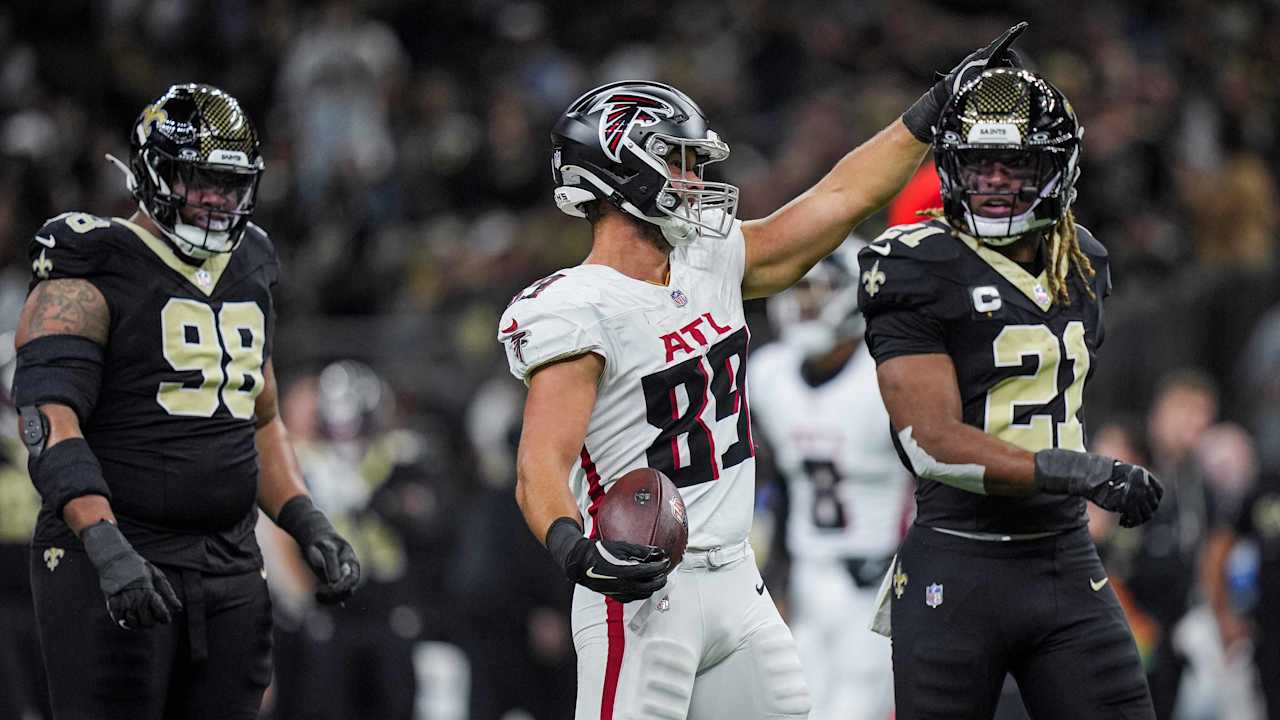
The Official Dee Alford 40-Yard Dash Time Revealed
In the high-stakes world of professional football, raw athletic metrics like the 40-yard dash time often serve as a preliminary measuring stick for a player's potential. For defensive backs, this sprint is particularly scrutinized, as straight-line speed is a critical component for covering elite wide receivers and making plays across the field. Fans and scouts alike have keenly awaited the official number for Atlanta Falcons cornerback Dee Alford, a player known for his tenacious play and impressive instincts.
After a standout collegiate career at Troy, where he showcased his versatility and playmaking ability, Dee Alford participated in his Pro Day, the primary stage for many non-NFL Combine invitees to demonstrate their athletic prowess to professional scouts. It was here, in a highly anticipated moment, that Dee Alford's 40 Time was officially recorded. His official 40-yard dash time clocked in at a respectable 4.56 seconds. This performance, recorded at Troy's Pro Day in 2021, provided a concrete data point for evaluators assessing his NFL readiness and potential fit within various defensive schemes.
While not in the sub-4.4 range often associated with elite burners, a 4.56-second 40-yard dash for a cornerback is a solid time, indicating sufficient speed to compete at the professional level. It suggests he possesses the acceleration and top-end speed necessary to keep pace with many NFL wideouts, especially when combined with his noted football intelligence and technique.
Understanding the 40-Yard Dash for Cornerbacks
The 40-yard dash is more than just a sprint; it's a test of explosive power, acceleration, and the ability to maintain top speed over a short distance. For cornerbacks, these attributes are vital for a multitude of on-field scenarios:
- Man Coverage: The ability to mirror a receiver's initial burst off the line and stay hip-to-hip on vertical routes.
- Zone Coverage: Quickly closing on receivers after the catch and breaking on throws to make plays.
- Run Support: Flowing downhill rapidly to seal the edge or pursue ball carriers across the field.
- Recovery Speed: Making up ground if beaten initially or adjusting to broken plays.
A 40-yard dash time like Dee Alford's gives scouts a baseline, but its interpretation must always be contextualized. For many, a sub-4.50 time is considered excellent for a cornerback, while anything in the mid-4.5s is generally deemed adequate. To truly appreciate his performance and understand its implications within the broader landscape of NFL talent, it's insightful to consider how Dee Alford's 40 time compares to other CBs who have transitioned successfully into the league.
Beyond the Stopwatch: What Dee Alford's Speed Means for His Game
While the Dee Alford 40 Time of 4.56 seconds offers a valuable snapshot of his straight-line speed, it's crucial to remember that football is played in three dimensions, not just one. The raw speed measurement needs to be integrated with an understanding of how it translates to his specific role and unique skill set on the field. This leads to an important question for any prospect: Dee Alford's 40 Time: Does Speed Matter for His Game? The answer is unequivocally yes, but it's not the *only* thing that matters, nor is it the sole determinant of success.
Alford's collegiate and early professional career has shown that he consistently plays faster than his timed speed might suggest. This is often attributed to superior instincts, quick recognition skills, and exceptional technique. A cornerback with a slightly lower top-end speed can still excel if they anticipate routes, break efficiently on the ball, and maintain excellent leverage. His 4.56 time provides a good foundation, but his effectiveness is amplified by other intangible and trainable aspects of his game.
The Nuances of Cornerback Play
Beyond the simple measure of speed, a successful NFL cornerback needs a diverse toolkit of skills. Dee Alford's game exemplifies this multi-faceted approach:
- Fluidity and Change of Direction: Cornerbacks rarely run in a straight line. The ability to flip hips, change direction seamlessly, and explode out of breaks is paramount. This agility, often measured by drills like the 3-cone and short shuttle, can sometimes be more indicative of on-field success than the 40-yard dash.
- Ball Skills and Instincts: Having the innate ability to track the ball in the air, time jumps, and make a play on the pass is what separates good corners from great ones. Alford has demonstrated a natural feel for the game, often putting himself in position to disrupt passing lanes.
- Physicality and Tackling: Modern NFL cornerbacks must be willing and capable tacklers, particularly in run support and against screen passes. Dee Alford plays with a physical edge, consistently contributing to stopping the run and limiting yards after the catch.
- Football IQ and Scheme Recognition: Understanding offensive formations, recognizing route concepts, and adapting to play calls are critical. A high football IQ allows a defender to anticipate plays and gain an advantage even if they lack elite physical attributes.
- Competitive Toughness: The mental fortitude to bounce back from a big play, maintain focus, and consistently compete at a high level is a hallmark of successful NFL players.
These combined attributes show that while the Dee Alford 40 Time sets a baseline, his overall game transcends a single metric, highlighting a well-rounded and instinctual player.
Training for Explosive Speed: Tips for Aspiring Athletes
For aspiring athletes hoping to improve their 40-yard dash time and overall speed, understanding the principles behind explosive movement is key. While genetics play a role, significant gains can be made through dedicated and intelligent training. These tips, applicable to any position requiring burst and speed, can help maximize a player's athletic potential:
- Master Your Start: The first 10-20 yards are crucial for the 40-yard dash. Focus on proper starting mechanics: a powerful initial drive, low pad level, and aggressive arm action. Practice starts repeatedly, focusing on explosiveness out of the blocks or stance.
- Develop Lower Body Power: Incorporate exercises that build explosive strength in the glutes, hamstrings, and quads. Examples include squats, deadlifts, lunges, and Olympic lifts (cleans, snatches) under proper supervision. Plyometric drills like box jumps, broad jumps, and bounds are excellent for improving reactive strength.
- Strengthen Your Core: A strong core acts as the transmission for power generated by your lower body. Include planks, Russian twists, medicine ball throws, and other core stability exercises to ensure efficient energy transfer throughout your sprint.
- Improve Running Form and Mechanics: Work on maintaining an upright posture (after the initial drive phase), efficient arm swing (driving elbows back, not across the body), and powerful knee drive. Drills like high knees, butt kicks, and A-skips can help reinforce proper running mechanics.
- Incorporate Acceleration Drills: Practice short sprints (10-30 yards) with full recovery between reps to focus purely on acceleration. Hill sprints are also fantastic for building power and speed endurance.
- Prioritize Recovery and Nutrition: Speed training is taxing. Adequate sleep, proper hydration, and a balanced diet rich in protein, complex carbohydrates, and healthy fats are essential for muscle repair and optimal performance.
- Sport-Specific Agility: While the 40-yard dash is linear, integrate drills like cone drills, ladder drills, and shuttle runs to improve change of direction, a critical skill for cornerbacks.
By consistently applying these principles, athletes can significantly impact their Dee Alford 40 Time equivalent and enhance their overall on-field speed.
The Impact of Combine and Pro Day Numbers on a Player's Career
The numbers generated at events like the NFL Combine and Pro Days, including the 40-yard dash, hold significant weight in the pre-draft process. For a player like Dee Alford, his 4.56-second 40-yard dash time, while solid, became a key piece of data for NFL scouts and general managers. These metrics influence:
- Draft Stock: Elite times can boost a player's draft stock, sometimes moving them up several rounds. Conversely, a surprisingly slow time can cause a player to slide.
- Scouting Profiles: The numbers contribute to a comprehensive athletic profile, helping teams understand a player's physical ceiling and how they might fit into specific schemes.
- Contract Negotiations: Higher draft picks and standout athletic measurables can lead to more lucrative rookie contracts.
- Initial Opportunity: Teams often value these numbers when deciding which players to bring in for workouts, sign as undrafted free agents, or give extended looks during training camp.
However, it's equally important to remember that these numbers are just one part of the evaluation. Many players with less-than-elite measurables, like Dee Alford, have forged successful NFL careers by demonstrating exceptional football IQ, technique, heart, and a relentless work ethic. The tape never lies, and ultimately, on-field performance is the truest test of a player's value.
Conclusion
The revelation of Dee Alford's 40 Time at 4.56 seconds provides a clear insight into his straight-line speed, a foundational attribute for any NFL cornerback. This solid number, recorded at his 2021 Troy Pro Day, indicates he possesses the necessary burst and top-end velocity to compete against professional wide receivers. However, as with any athletic metric, it tells only part of the story. Alford's on-field success is a testament to how speed, when combined with sharp instincts, fluid movement, sound technique, and unwavering competitive toughness, can transcend raw numbers. For aspiring athletes, his journey underscores that while working to improve measurable speed is crucial, developing a complete and intelligent football game is what truly paves the path to success at the highest level.